Please Call Before Collecting
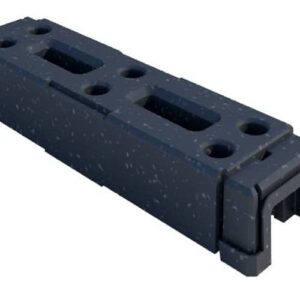
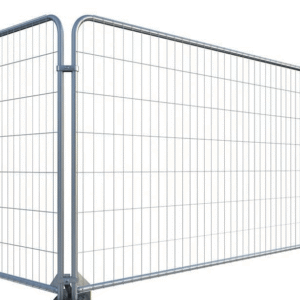
Heavy-duty temporary Heras fencing panels • Galvanised steel construction • Ideal for construction sites, events, site security, restricted areas, storage yards & temporary boundaries • Quick to install and easy to move • Compatible with rubber feet, couplers and stabilisers • Durable, reusable and cost-effective • Bulk orders available


Need to secure a construction site, event or yard fast? Our Heras fencing range has everything required to build a complete temporary perimeter, panels, feet, clips, gates and stabilisers, in stock and ready for fast delivery from our West Sussex depot.
Heras fencing (also called Harris fencing or temporary site fencing) is the standard choice for construction sites, festivals, roadworks and any location that needs a secure boundary fast. It goes up in minutes, comes down just as quickly, and the anti-climb mesh design keeps it doing its job, whether that’s stopping trespassers, protecting the public from a live site, or controlling crowds at an event.
We’ve supplied tradespeople, event organisers and DIY customers across the UK since 2017, and we sell every component you need to build a fencing system that works together, not just panels on their own.
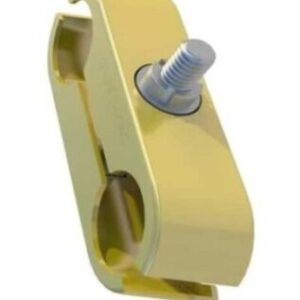
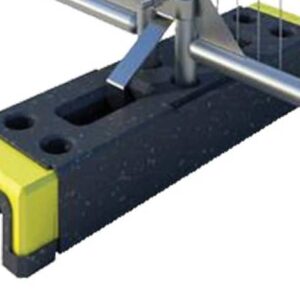
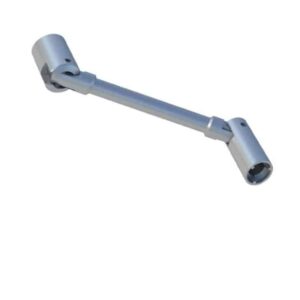
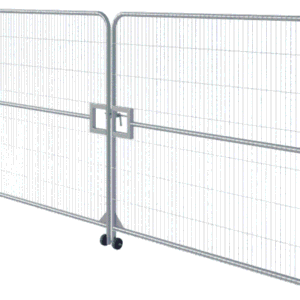
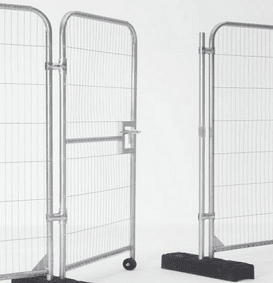
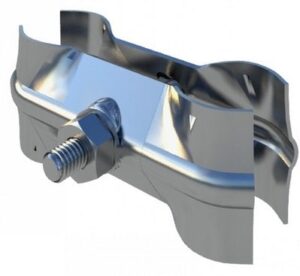
Everything you need to build a complete perimeter: anti-climb panels, rubber and high-vis feet, standard and anti-tamper clips, pedestrian and vehicle gates, stabilisers, and the security spanner to fit it all together. Browse the full range below or check our buying guide if you’re not sure which parts you need.
Built as a system, not just panels – We stock the feet, clips, gates and braces to match, so you’re not left short of the part that holds everything up.
Fast delivery – Order online, delivered to site, with bulk discounts available on larger orders, just get in touch for a quote.
Genuinely helpful when you call – Our customers consistently mention the team going the extra mile, whether that’s working out exact quantities for an odd-shaped site or sorting a last-minute order.
Trade and DIY welcome – Whether you’re fencing a full construction site or just need to keep the dog off a flower bed for a fortnight, we’ll sell you what you actually need.
A typical run uses one panel every 3.45m, with a foot at each join and a stabiliser on every panel if the site is exposed or sees a lot of foot traffic. For example, a 100m perimeter needs roughly 29 panels, 29–30 feet, and a gate wherever you need access. Not sure on quantities?
Yes, “Harris fencing” is just a common mispronunciation of Heras, which is the name of the original manufacturer. The term is now used generically for this type of anti-climb mesh fencing, much like “hoover” is used for vacuum cleaners.
It’s designed for temporary use, anywhere from a few days for an event to several months (or longer) on a construction project. Galvanised panels typically last 5–10 years with reasonable care, but on longer-term installations it’s worth checking clips, feet and panels periodically for damage or movement.
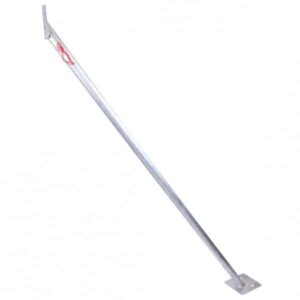
Not always, but it’s strongly recommended on any site exposed to wind or likely to be knocked by vehicles, plant or pedestrians. Construction sites should be braced properly; an unstable fence isn’t doing its job.
Yes. Anti-tamper lockable couplers stop panels from being unclipped from outside, and the panels themselves can be dressed in debris netting or scaffold sheeting for added privacy as well as security.
Yes, we supply contractors, event organisers, councils and homeowners alike. There’s no minimum order to worry about, and bulk pricing is available for larger projects.
Yes, everything in our range is for sale, not hire. For short projects this can work out cheaper than ongoing hire costs, and once you own the panels, they’re reusable across future jobs.
Yes, our panels are manufactured to BS EN 13374, the British Standard for temporary edge protection systems, and galvanised to BS EN ISO 1461 for corrosion resistance, important if you’re using it on a regulated construction site.
It works on grass, gravel, tarmac and concrete. On softer ground, it’s worth adding stabilisers or larger feet to stop the panels sinking or shifting; on hard surfaces, standard rubber feet are usually enough.
Need help working out quantities or have a question about a specific site?
Contact our team and we’ll talk you through it.