Please Call Before Collecting
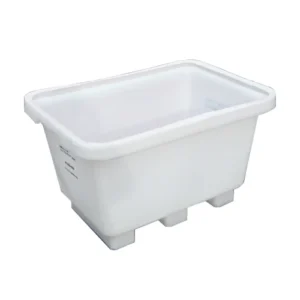
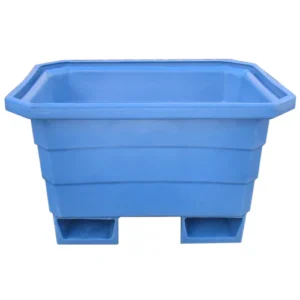
Rubber and heavy-duty plastic mortar tubs for mixing, carrying and hand-balling mortar, render and concrete on site. Sizes to suit small repair jobs right through to full bricklaying gangs.
A good mortar tub earns its keep on site. It gets kicked, stood in, dragged across scaffold boards and left out in the rain, then it’s expected to still hold a full mix the next morning without splitting. That’s why we stock rubber and heavy-duty polyethylene tubs rather than the flimsy versions that crack in the cold or split the first time someone drops a spot board on the rim.
Whether you’re mixing by hand with a shovel, loading a mixer, or hand-balling mortar up to a bricklayer, the right tub size makes the job faster and a lot less back-breaking. We stock a range of capacities so you’re not overfilling a small tub or wasting space and mix on a tub that’s twice the size you need.
Small tubs are handy for spot-mixing, pointing, small repairs, or keeping by a mixer for hand-balling out to bricklayers on the wall. Light enough to move around the site without a barrow.
Larger tubs (250–350 litres and up) suit bigger bricklaying and plastering jobs where you’re mixing regular batches and need somewhere to keep spare mix ready to go. They’re also useful for feed, water, or general mixing away from a construction site.
Rubber tubs flex rather than crack, a real advantage if they’re going to be dropped, stood on, or left out through winter frosts. They’re also easier to scrape clean once the mortar’s gone off.
Heavy-duty plastic tubs tend to be lighter to carry when empty and hold their shape well, which some bricklayers prefer for stacking or moving around a smaller site.
A tub lasts a lot longer if it’s cleaned out before the mix goes off rather than after. A quick rinse or scrape at the end of the day beats chiselling out set mortar the next morning, and it keeps the rim and base from cracking under the strain. Stack tubs the right way up when not in use so they don’t collect rainwater and warp in the frost.
You can order a single tub or stock up for a full gang; there’s no minimum order either way. We deliver mortar tubs across mainland England and Wales.
Rubber tubs flex under impact rather than cracking, which makes them good for sites where they’ll get knocked about or left out in cold weather. Heavy-duty plastic tubs are lighter to lift and carry when empty and hold their shape well, so some bricklayers prefer them for moving around smaller jobs. Both are built to handle regular mortar and concrete mixing; it mostly comes down to personal preference and how the tub will be used.
It depends on the job. For spot repairs, pointing, or hand-balling mix to a bricklayer, a smaller tub is easier to move around. For ongoing bricklaying or plastering work where you need a steady supply of mix on hand, a larger tub (250 litres or more) saves you from mixing as often. If you’re unsure, tell us what the job involves, and we’ll point you towards the right size.
Yes. They’re commonly used for concrete, render, screed, and general site mixing, and plenty of customers use them outside of construction too, for animal feed, water storage, or as general heavy-duty tubs around a yard or garden.
Clean it out before the mix sets rather than after, avoid leaving it in direct frost with water sitting in the base, and store it upright when it’s not in use. Rubber tubs are more forgiving if they do get knocked or stood on.
Both. Order one tub for a small job or stock up for a full team; there’s no minimum order quantity either way, and larger orders qualify for a trade discount.
Standard delivery is typically 2–5 working days across mainland England and Wales, with exact timing and cost shown at checkout based on your postcode and order size. Collection from our West Sussex yard is available too; just call ahead first.