
Please Call Before Collecting
£39.00 – £74.50Price range: £39.00 through £74.50 ex. VAT
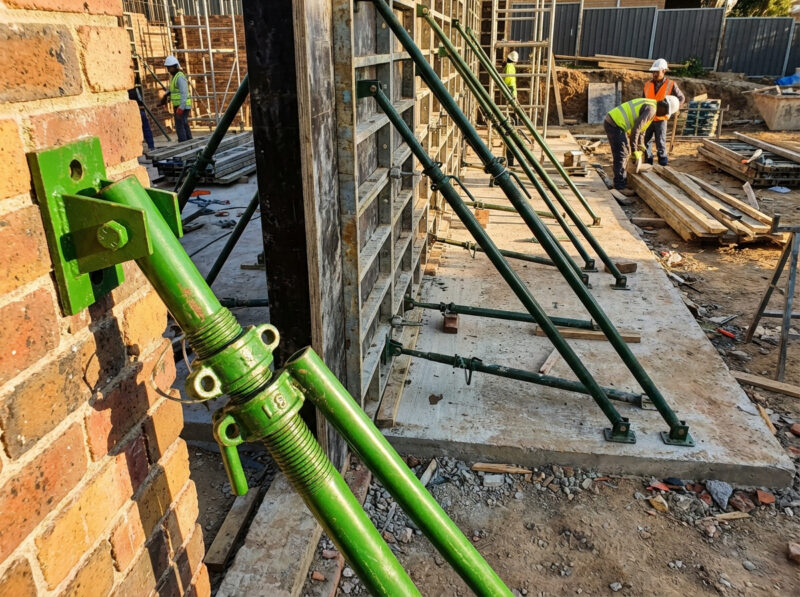
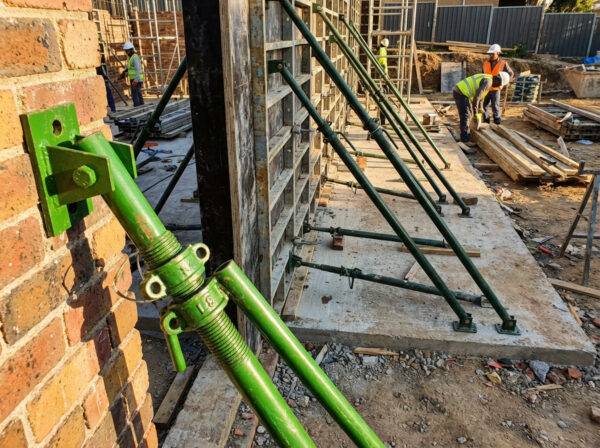
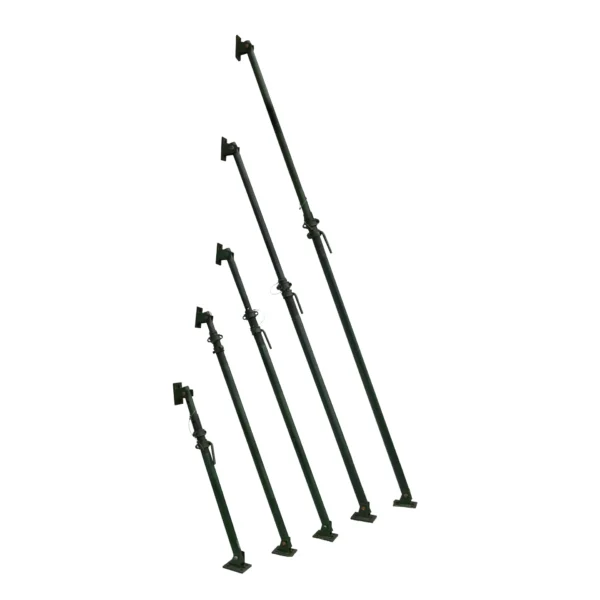
Our heavy-duty galvanised adjustable push-pull props provide essential angled support for concrete formwork, wall plumbing, beam alignment, and resisting lateral forces during pours. With swivel end plates and a precise threaded adjustment mechanism, they allow quick, accurate positioning at angles—perfect for keeping shutters plumb and stable under wind or concrete pressure.
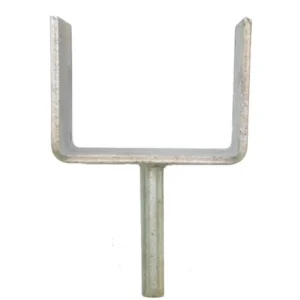
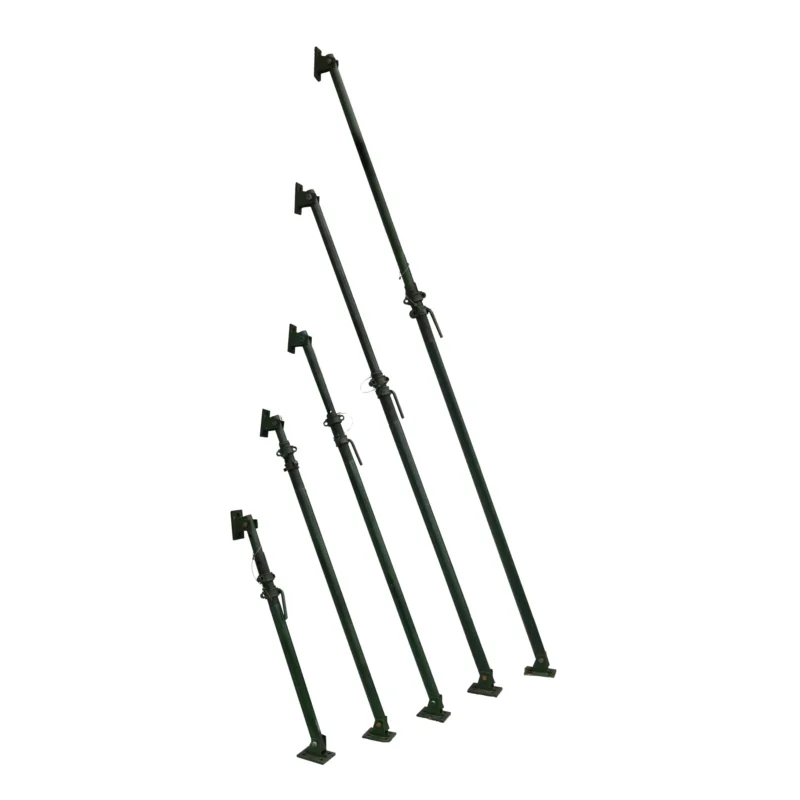
Its telescopic design, with inner and outer tubes, ensures smooth extension, while its robust construction reliably handles both compression and tension. Stocked in the standard UK Sizes 0–4, they’re a practical choice for contractors needing versatile, reusable bracing solutions that perform on real sites. For vertical load-bearing support, explore our adjustable Acrow props, or choose the U-Head with spigot to enhance formwork and beam alignment.
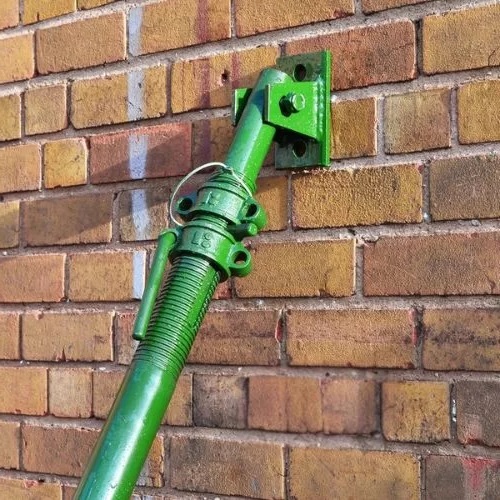
Manufactured to UK industry standards for temporary works equipment, with swivel end plates (typically 150–240 mm square with fixing holes) and reliable threaded collars.
Size | Closed Length | Maximum Extended Length | Approx. Weight | Indicative Safe Working Load (Compression, kN) |
0 | 1.140 m | 1.829 m | 15–17 kg | Up to 25–30 (higher when shorter) |
1 | 1.850 m | 3.124 m | 22–24 kg | Up to 20–25 |
2 | 2.080 m | 3.352 m | 24–26 kg | Up to 15–20 |
3 | 2.690 m | 3.962 m | 26–28 kg | Up to 12–18 |
4 | 3.300 m | 4.876 m | 27–31 kg | Up to 10–15 |
Loads are approximate guidelines only and reduce with increased extension and steeper angles. Always refer to site-specific load calculations, engineering approval, or manufacturer tables for your application. SWL varies by setup—consult a temporary works coordinator.
Load Guidance by Extension Range
Capacity drops as length increases due to buckling and angle effects. Use this overview for early planning:
Extended Length Range | Typical Safe Compression Load (kN) | Typical Safe Tension Load (kN) | Common Uses |
Up to 2.0 m | 25–30 | 18–25 | Low-level panels, light bracing |
2.0–3.0 m | 18–25 | 12–20 | Standard walls, beams |
3.0–4.0 m | 12–18 | 10–15 | Medium-height formwork |
Over 4.0 m | 10–15 | 8–12 | Tall shutters, wind restraint |
These are conservative estimates based on typical galvanised props, actual values depend on angle, fixings, and site conditions.
They’re designed for angled use, resisting lateral (sideways) forces in push or pull directions, essential for plumbing formwork, bracing against wind, or aligning precast elements.
Size Selection Guide
Pick the right prop based on your typical jobs:
Application Type | Suggested Sizes | Key Reasons |
Small residential pours & extensions | 0–1 | Short reach, easy to manoeuvre |
Standard commercial walls & columns | 1–2 | Versatile mid-range with good capacity |
Multi-level slabs, beams, taller forms | 2–3 | Extended length without losing too much strength |
Large-scale or high elements | 3–4 | Maximum adjustment for demanding setups |
Slide to rough length via pin holes (100 mm steps), then fine-tune with the threaded collar. Securely lock off with the collar for stability.
Yes, galvanised finish and design align with common temporary works practices and relevant standards (e.g., BS references for similar equipment). Always ensure proper engineering oversight for load-critical applications.
With regular cleaning and dry storage after use, the galvanising keeps them rust-free for years of repeated service.
Install at an angle (typically 45–60 degrees) for optimal stability against lateral forces. Secure both swivel end plates firmly (using bolts, nails, or fixings into formwork/ground), ensure the base is stable and level, then roughly adjust length with pins before fine-tuning with the threaded collar. Always tighten everything securely and double-check alignment before loading. Never use it as a climbing aid or ladder.
Aim for 45–60 degrees from horizontal/vertical, depending on the application, this balances compression/tension loads effectively and maximises resistance to wind or concrete pressure. Steeper angles reduce capacity, while flatter ones may not provide enough lateral support. Refer to the site engineering drawings for exact recommendations.
They are primarily designed for angled (diagonal) bracing to handle lateral forces in both directions. While they can take compression like standard props, they aren’t optimised for pure vertical load-bearing (use acrow-style props for that). Horizontal use is possible in some bracing setups but requires careful engineering checks.
Yes, for any load-critical or structural application, always get a temporary works design or sign-off from a qualified engineer. Load capacities vary with extension, angle, fixings, and site conditions (e.g., wind). Use manufacturer load tables as a guide only; never exceed indicated SWLs.
After use, clean off concrete splashes and debris, check the threads/collar for damage, and lightly lubricate moving parts if needed. Store indoors or undercover in a dry place to preserve the galvanising. Inspect before each job for straightness, secure pins, and no excessive wear; discard if bent or damaged.
Yes, typically 150–200 mm square plates with 4 × ~38 mm diameter holes (or similar) for bolting/nailing to timber/steel formwork or ground anchors. Custom plate sizes available on bulk orders.
Demonstrated at locations nationwide, these props offer robust construction, practical functionality, and dependable availability. Our commitment is to provide reliable equipment supported by clear guidance and efficient, straightforward service.
Ready to add them to your next kit? Select sizes, request a quote, or call/email for a stock check and pricing. Let’s get your bracing sorted quickly and reliably.
| Size | Size 0, Size 1, Size 2, Size 3, Size 4 |
|---|
Reviews
There are no reviews yet.